
window.dataLayer = window.dataLayer || [];   function gtag(){dataLayer.push(arguments);}   gtag('js', new Date());   gtag('config', 'G-3FCZWT47WY');
Four Common Myths About Assisted Living

As loved ones age, it’s natural to consider alternative living arrangements to enhance their quality of life. Many seniors and families start this process by researching assisted living communities. But what exactly is assisted living, when is it time to consider this option, and what are the benefits?

Assisted living is a type of residential care that provides support for seniors who need help with activities of daily living such as bathing, dressing, grooming, medication management, or preparing meals. Seniors who receive this level of care can communicate their needs but don’t require the intensive and round-the-clock medical care often provided in nursing homes.

This living option emphasizes autonomy and fosters independence while providing extra peace of mind for residents and families who know that additional assistance and personalized care are available if, and when, it’s needed.

Seniors and families should consider assisted living when several factors become apparent: an individual needs help with activities of daily living; the risk of falls increases; health challenges; cognitive decline; and importantly, social isolation.

If your friend or family member encounters difficulties with activities such as personal hygiene or meal preparation, it could indicate that an assisted living community might provide the assistance they require. Many assisted living communities offer restaurant-style dining and chef-prepared meals to ensure residents receive proper nutrition without the hassles of shopping and cooking.

Safety is always a concern for seniors who are prone to falls and other injuries. In senior communities that offer assisted living, such as Crossroads at Delta, residents may have an emergency call device like a pendant as well as call buttons in their apartments and daily check-ins from team members to ensure they are generally in good health.

If your loved one’s health or cognitive function has declined, they may require more assistance than you can provide at home. Many assisted living communities offer different levels of care and memory support services for those living with Alzheimer’s and related dementia.

Depression and social isolation are common for seniors who live alone. Study after study highlights that being around others and socializing at some level is imperative to a senior’s health and well-being. Assisted living communities offer an array of activities and opportunities for residents to socialize and engage like painting, playing board games, going to live musical performances, daily exercise, and educational forums.

If your loved one is beginning to exhibit signs that they require additional care, assisted living could provide the necessary support within a stimulating and autonomous setting. By researching assisted living communities now, you’ll ensure your loved one has options to age well, even if their needs change. It’s much less disruptive to get additional support in the environment you live in than to move later in life.

Your Senior Care Partner

At Crossroads at Delta senior living, our team helps families find the best living situation to meet their family member’s needs. Call 970-874-1421 or reach out online if you have questions about assisted living or would like to schedule a personalized tour.
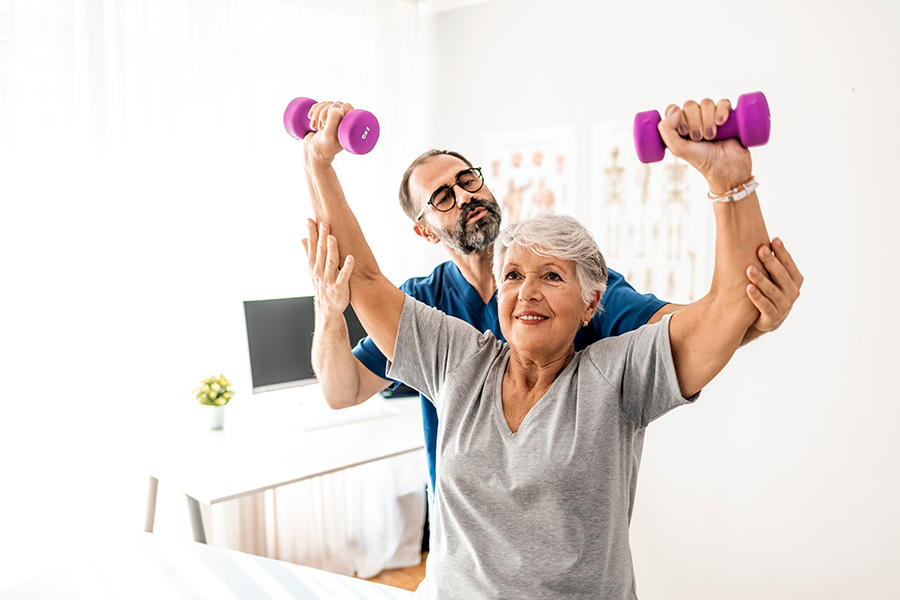
Even though we enjoy 300+ days of sunshine on the western slope of Colorado, it can be chilly during the winter months. Whether you live at home or in a community like Crossroads at Delta, we all tend to slow down when the cooler weather moves in for the winter. For seniors, staying active – at any level – is one of life’s best secrets. As many active adults say, “move it or lose it” applies.

For seniors living at home, staying active might present challenges as the effort to navigate the snow and ice – and fear of falling – is very real, and developing a home exercise program can feel daunting. It might be easier for those living in a retirement community as most offer a wide range of activities, including wellness programs. At Crossroads at Delta, our wellness team spends extra time in the winter developing programs and activities for our residents that encourage ongoing movement to help enhance flexibility, prevent falls, and boost mental and physical health.

No matter where you live, here are seven great, safe, and enjoyable options to keep moving:

1. Indoor Exercise Classes

  • Yoga, Tai Chi, or Pilates: These gentle exercises improve flexibility, balance, and strength. Many community centers offer senior-friendly classes, and online options are widely available as well. Our senior living community has several regular wellness program options and dedicated space for developing an exercise routine to keep the blood pumping and add to overall wellness.
  • Indoor Walking Groups: Malls often have dedicated hours for walkers, which is a great option for a flat, climate-controlled environment. And if you live in a retirement community, simply walking the halls or taking the stairs if you can add up.
  • Dance Classes: Low-impact dance, like ballroom or line dancing, can be a fun, social way to stay active.

2. Home-Based Workouts

  • Exercise DVDs or Online Videos: There are many routines specifically designed for seniors, from seated exercises to standing routines.
  • Resistance Bands and Light Weights: Small, portable equipment like resistance bands or light dumbbells can enhance strength training routines at home.

3. Swimming and Water Aerobics

Indoor pools provide a warm, accessible way for seniors to exercise without stressing their joints. Many pools offer water aerobics classes that are gentle yet effective for fitness. The nearby Delta Recreation and Community Center offers a great venue with older adult programs and we can support residents with transportation.

4. Join a Gym or Fitness Center

Many gyms have low-cost or insurance-subsidized memberships for seniors, providing access to treadmills, stationary bikes, and light resistance machines. Some fitness centers also offer senior-specific classes and wellness programs. Our therapy and fitness spaces also offer great views as a bonus while working out.

5. Balance and Strength Training

Simple home routines focusing on balance exercises can be beneficial in reducing fall risk. Common options include standing on one leg, heel-to-toe walking, and gentle stretching routines. Study after study indicates that weight training, even light weights, can help bone density significantly.

6. Bundle Up and Go Outdoors When Possible

If it’s not icy, outdoor walks can still be an option. Dress in layers, wear appropriate footwear and choose a safe, flat area. Consider walking with poles for extra stability.

7. Stay Social with Virtual Fitness Groups

Staying motivated can be easier with friends. Virtual fitness groups let seniors connect, set fitness goals, and exercise together via video chat, creating an interactive experience even from home.

Encouraging a mix of social and solo activities can keep winter fitness fun and manageable, boosting both physical health and overall well-being.

Crossroads at Delta, located in Delta, Colorado offers independent living, assisted living, and memory care housing and care. The community encourages seniors, whether they live at home or in a retirement community, to maintain a good level of physical activity during the winter, for both mental and physical wellness. For more information about Crossroads at Delta, reach out online or give our senior care experts a call at 970-874-1421.

Many caregivers and older adults are concerned about senior living and long-term care costs. These expenses can consume a large portion of a senior’s monthly income, even for those who believed they had saved enough. How individuals pay for senior care depends on their financial situation and the types of services they need. Seniors and their families often rely on a combination of funding sources, such as personal savings, pensions or retirement accounts, social security, investment income, or proceeds from selling a home.

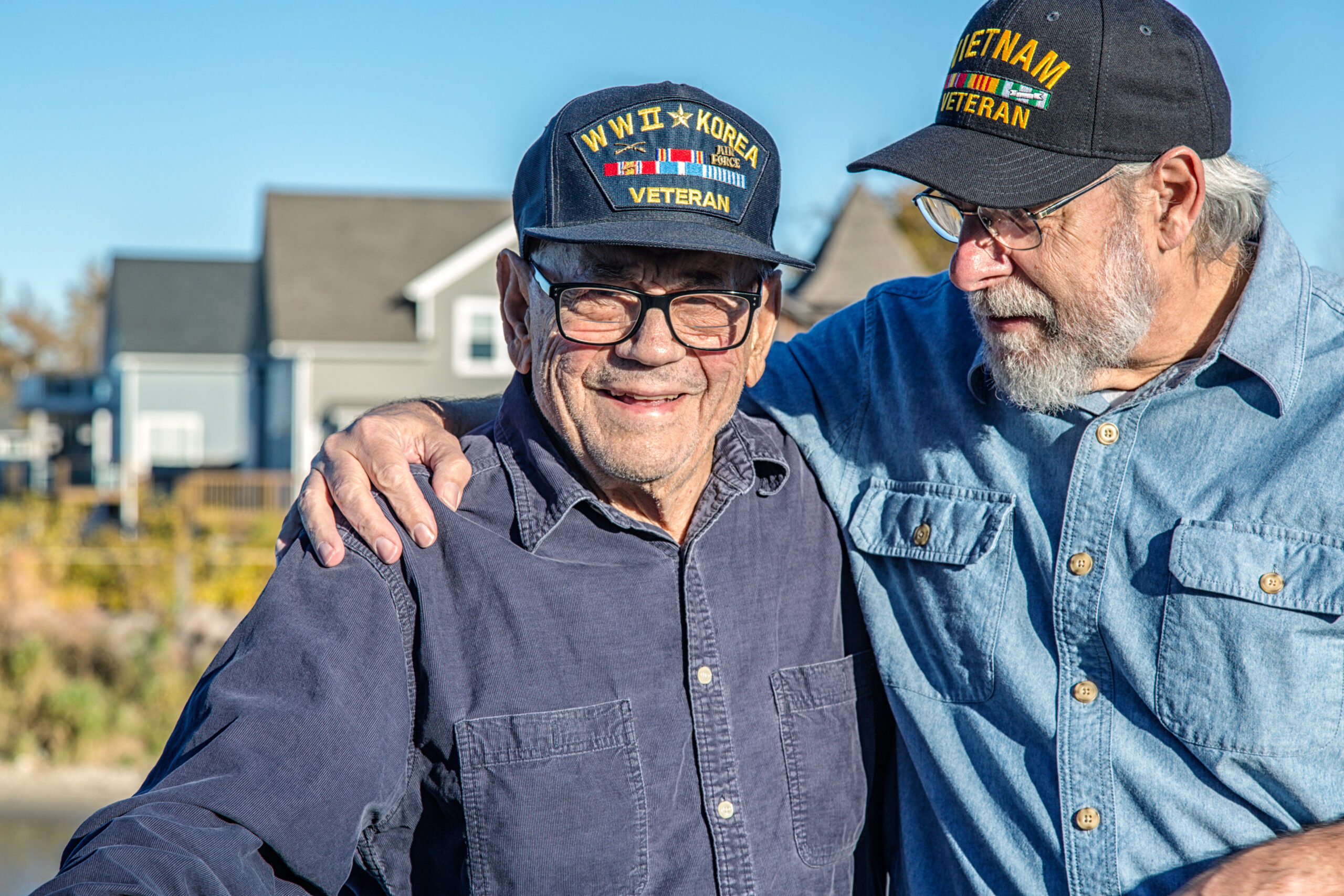
Each year, our nation celebrates our veterans with numerous observances to keep their service and sacrifice top of mind. But beyond remembrance, the United States is committed to supporting veterans, especially as they age and require care. For the more than 10 million war veterans living in the U.S., and their spouses, a little-known Veterans Affairs benefit called Aid and Attendance can significantly offset the cost of home care, assisted living, or nursing home care.

With many military bases located in Colorado, it’s no surprise that veterans choose to retire on the western slope of Colorado, and as they age, many have successfully accessed this valuable benefit.

Aid and Attendance Benefit Details

The VA Aid and Attendance benefit is a monthly payment added to the regular VA pension for eligible veterans and surviving spouses who need help with daily activities due to disability, illness, or age.

The benefit extends to veterans of the Iraq Gulf War, the Korean and Vietnam wars, World War II, and even members of the American Merchant Marines who served during the 1940s. The benefit often extends to surviving spouses as well.

Monthly benefit amounts vary from approximately $1,500 for a surviving spouse needing care to about $2,800 for a veteran and spouse who require assistance. These funds can greatly help defray the cost of assisted living, which can range from $3,500 to $10,000 a month, depending on location and type of community, according to assistedliving.org.

The supplemental funding of the Aid and Attendance benefit helps cover the cost of assistance with activities of daily living, such as dressing, bathing, eating, and toileting. It can be used for care provided at home, assisted living communities, or skilled nursing facilities.

Veterans or their families can apply for Aid and Attendance by completing VA Form 21-2680, providing the required medical documentation showing a need for assistance, and submitting this to the VA Pension Management Center. Applications can be submitted online through the VA website, in person at a VA office, or with the help of a Veterans Service Officer.

Several residents at Crossroads of Delta, including veterans and their spouses, have taken advantage of this important benefit.

If you think you or a loved one may be eligible for the Aid and Attendance benefit – just like several of our proud veteran residents who have served our nation – talk to our team at Crossroads at Delta. They can answer questions and help guide you. To contact the Crossroads at Delta team, call 970-874-1421 or visit crossroadsdelta.com.

DISCLAIMER: Crossroads at Delta cannot determine eligibility for veterans’ benefits; only the Veterans Administration can determine applicant eligibility.

REQUEST A BROCHURE

By submitting this form I agree to receive news, event information and special offers.